Pangrams: DALLYING & DILLYDALLYING
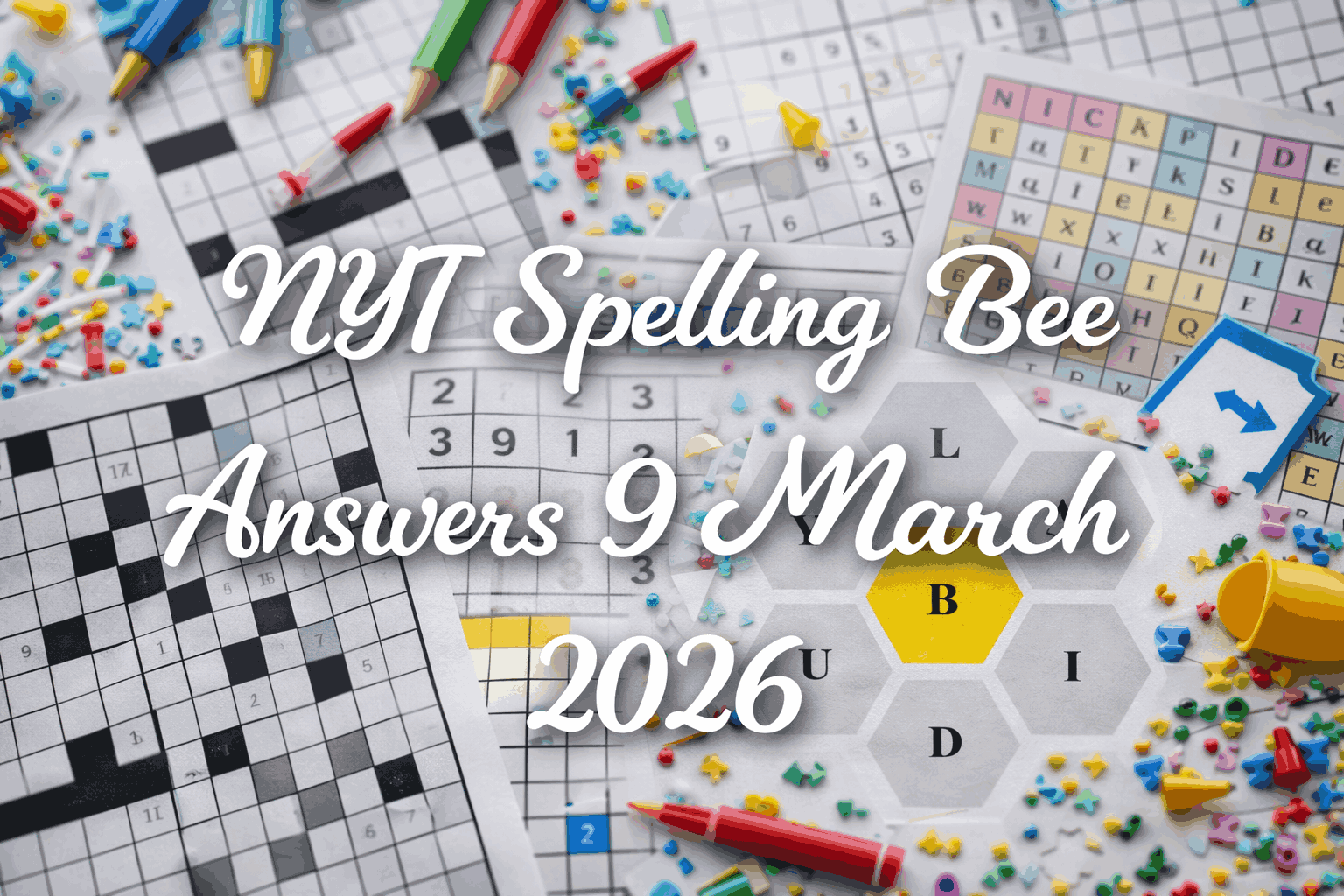
Today’s Spelling Bee was an absolute delight — a playful test of patience, rhythm, and persistence. With Y in the center and A, D, G, I, L, and N arranged around it, the hive seemed simple at first glance. But beneath that easy surface was a hidden gem — not just one, but two pangrams, both perfectly embodying the art of delay: DALLYING and the wonderfully whimsical DILLYDALLYING.
First Impressions
The moment I saw this hive, I could sense a lyrical potential. Y as the middle letter often produces melodic, adjective-like endings — think gaily, daily, idly. Combined with smooth consonants like L and N, the puzzle already felt promising.
My first few words — lady, laid, daily, idly — came quickly. These small discoveries build momentum early on. The balance of vowels (A, I) and soft consonants (L, N) gave me plenty of combinations to experiment with.
Then, the presence of D and G caught my eye. These letters often form repetitive patterns, so I started testing words with rhythmic sounds — and that’s where the fun began.
The Breakthrough
As I kept experimenting, dally appeared early — meaning to waste time or act playfully. Naturally, the next thought was dallying. I checked: it used all seven letters.
First Pangram: DALLYING
Meaning: To waste time, act playfully, or delay without purpose.
But it didn’t stop there. The grid still had more potential. I noticed that dillydally could almost fit — a common expression meaning “to hesitate or waste time.” I tested it with –ing, and there it was — DILLYDALLYING, a perfect second pangram!
Second Pangram: DILLYDALLYING
Meaning: Wasting time through indecision or delay; hesitating.
The moment I found it, I laughed out loud — how poetic that a puzzle about words would reward procrastination with two pangrams meaning “to delay!”
Word Discovery Process
After finding both pangrams, I circled back to uncover all the smaller words that orbit them. The vowel-rich grid made it easier to build fluid transitions.
Here’s my process in a nutshell:
-
Start with short patterns: day, gay, lay, aid, nail.
-
Add “-ly” endings: daily, gaily, idly.
-
Explore verb roots: dally, allay, rally, ally.
-
Test repeating patterns: dilly, dallying, dillydallying.
The repetition trick worked wonders today — the letters practically encouraged it!
Bee Genius score list
Below are all the valid words that can be made using the hive (each must include Y):
4-letter words
- ally
- idly
- lady
- dyad
- idyl
- illy
- lily
- yang
5-letter words
- allay
- dingy
- rainy
- gayly
- daily
- gaily
- daddy
- dally
- dandy
- dilly
- dingy
- dying
- giddy
- idyll
- inlay
- laggy
- luing
- naggy
- nanny
- ninny
6-letter words
- laying
- gladly
- anally
- dangly
- diddly
- gainly
- gangly
- giggly
- gladly
7-letter words
- dingily
- allying
- allaying
- dandily
- daylily
- giddily
8+-letter words
-
DALLYING (pangram)
-
DILLYDALLYING (pangram)
- allaying
- dillydally
- inlaying
- lallygag
- lallygagging
- landlady
- nannying
How I Solved It
My method today was all about rhythm and repetition. Here’s what worked:
-
Observe letter texture. This hive had a musical feel — repeating letters like “L” and “Y” usually hint at playful pangrams.
-
Test for double words. The structure allowed patterns like dilly, dally, ally, idly — all of which are strong candidates for extended forms.
-
Follow instinct. When I saw dallying, I instinctively checked if dillydallying was possible — and it fit beautifully!
Sometimes, the best pangrams aren’t born from logic — they just sound right.
Reflection
Today’s puzzle was pure joy. It’s not often that both pangrams share the same playful meaning. DALLYING and DILLYDALLYING perfectly capture the essence of a good Spelling Bee session — taking your time, exploring patterns, and savoring each discovery.
If you’re still chasing Genius or Queen Bee, remember: sometimes, slowing down helps you see the connections faster. This puzzle literally rewarded us for lingering a little longer!
Buzzing Off with a Bang
Pangrams: DALLYING & DILLYDALLYING
Theme: Procrastination meets playfulness
Mood: Cheerful and rhythmic
Difficulty: Moderate
Today’s Spelling Bee was a poetic nod to every solver who loves to take their time. Both pangrams remind us that in wordplay — as in life — it’s okay to dillydally a little. After all, that’s how the best ideas come buzzing in.